
Flat interior design focuses on creating modern, open, and functional living spaces. It blends simplicity with style, making your flat look spacious and organized. This design style emphasizes straight lines, neutral color palettes, and furniture that serves both practical and visual purposes. A design with these principles feels comfortable and inviting without being cluttered. You can combine light, space, and carefully chosen décor to create a home that looks contemporary and feels personal. By understanding these principles, you can turn your flat into a modern haven that suits your lifestyle.
Key Principles of Flat Interior Design
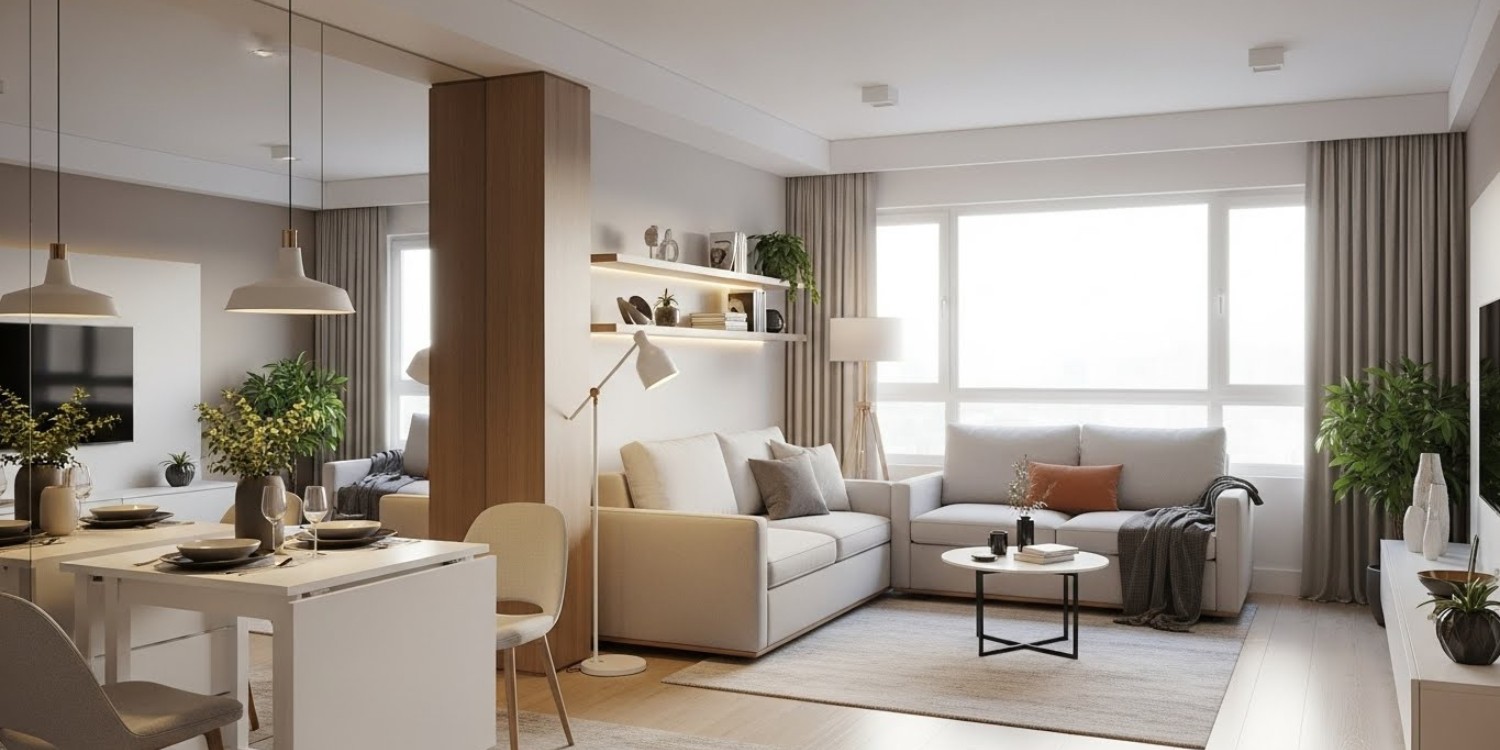
Flat interior design focuses on simplicity, functionality, and a sense of openness, creating a modern and comfortable living space. Each principle plays a crucial role in achieving a stylish yet practical flat.
- Clean and simple lines form the backbone of flat interiors. By emphasizing geometric shapes and minimal ornamentation, furniture, décor, and architectural elements look sleek and organized. This approach creates a visually calm environment and makes the flat feel more spacious.
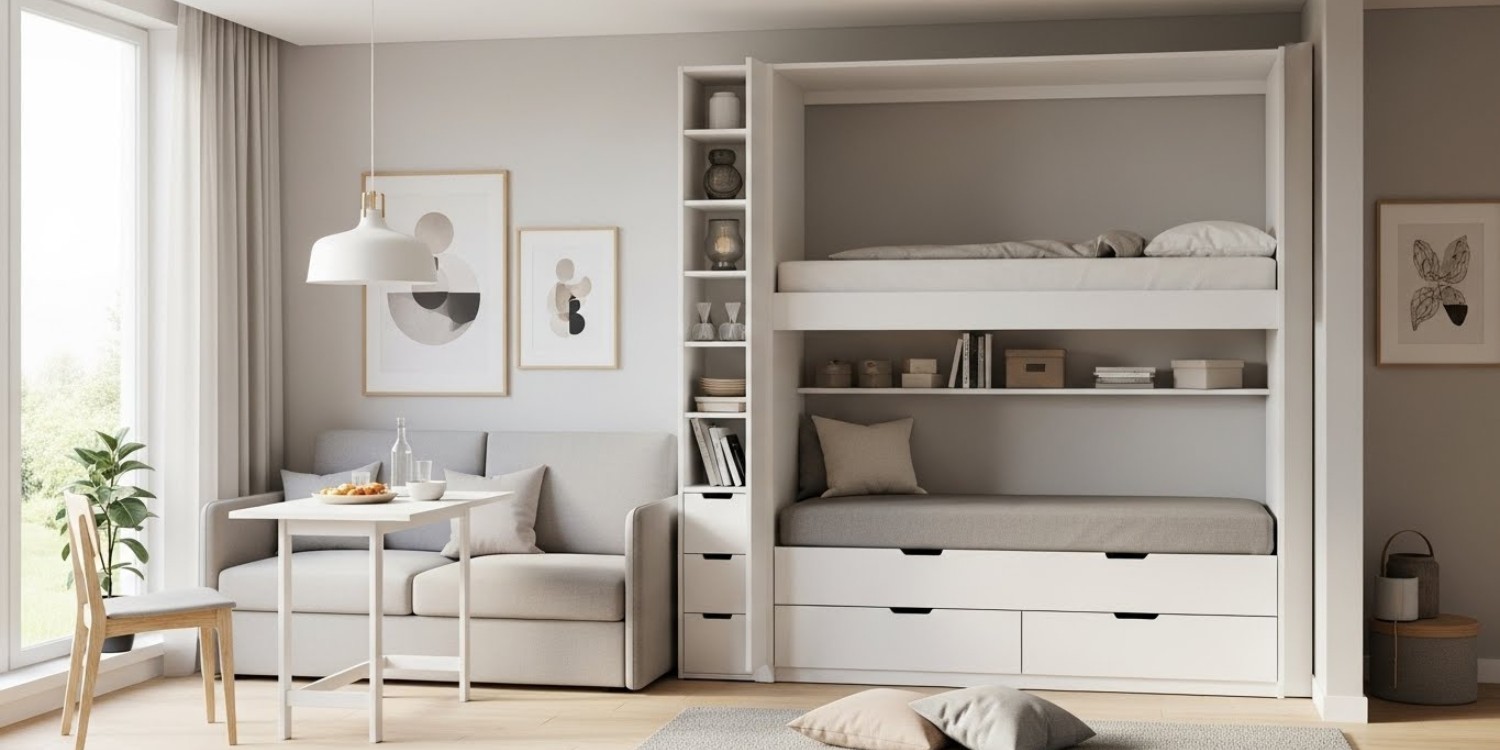
- Functional spaces ensure that every item in your flat serves a purpose. Furniture with dual uses, like storage beds, foldable tables, or sofas with hidden compartments, helps maximize space while keeping the flat organized and practical. Functional design prevents clutter and maintains smooth movement throughout the rooms.
- Neutral and muted color palettes create a cohesive and soothing atmosphere. Whites, grays, pastels, and earthy tones form the base, while subtle accents can add personality. These colors enhance the sense of space and brightness while keeping the environment calm and inviting.
- Open layouts and uncluttered spaces make the flat feel airy and comfortable. Arranging furniture with adequate spacing allows free movement, promotes natural airflow, and ensures the rooms do not feel cramped or overcrowded.
- Use of natural light and reflective surfaces brightens the flat and enhances the feeling of openness. Large windows, mirrors, and light-colored surfaces reflect sunlight and create a welcoming, airy ambiance that complements the modern flat design.
By combining these principles, you can create a flat that is stylish, functional, and visually appealing while making the most of available space and light.
Choosing the Right Color Scheme
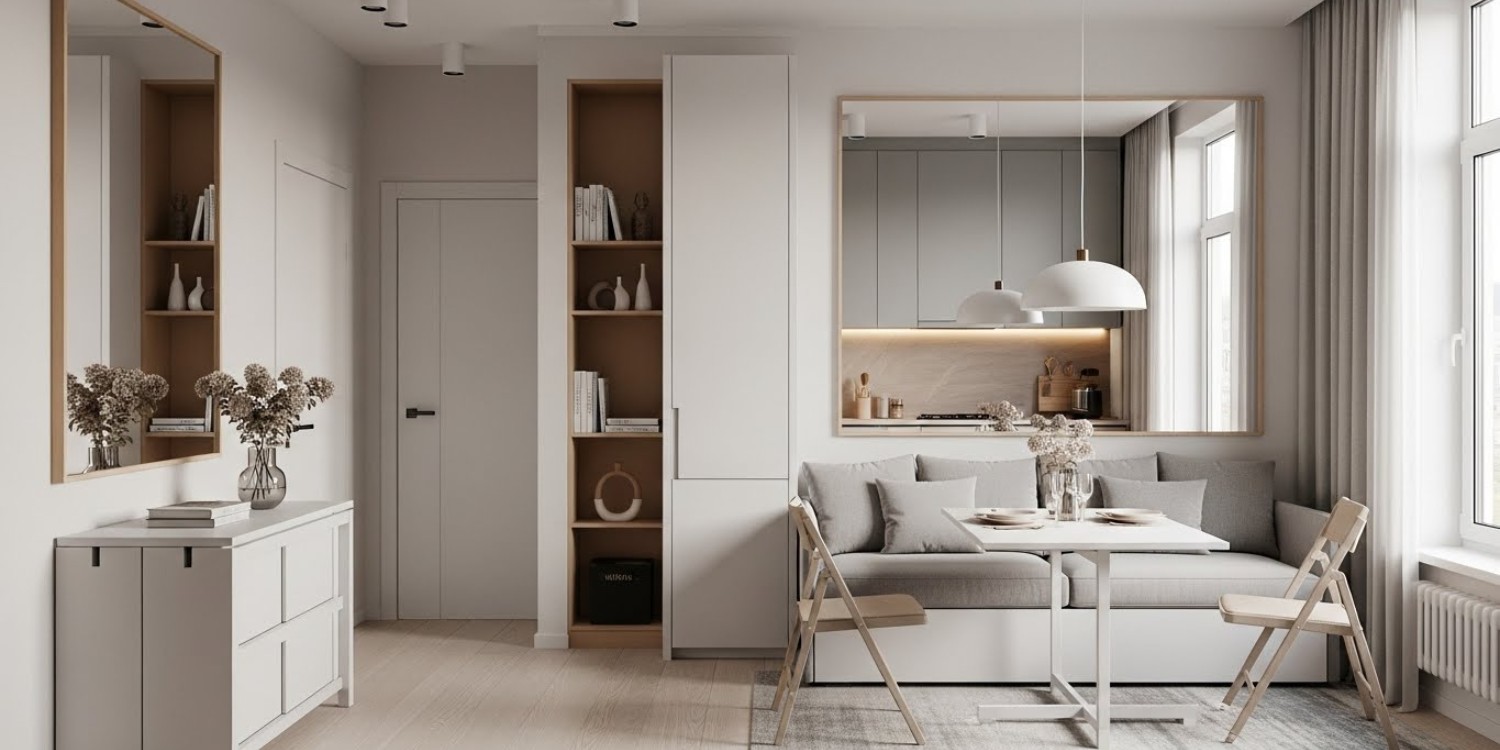
- Neutral base colors and subtle accents: Use shades like white, beige, soft gray, or pastels for walls and large furniture, and add muted accent colors through cushions, rugs, or décor.
- Combine colors without overwhelming the space: Stick to a limited palette and maintain balance between base colors and accents to keep the flat feeling open and calm.
- Accent walls and decorative elements: Introduce one or two feature walls, artwork, or small décor items to add depth and visual interest without cluttering the space.
- Color psychology: Choose colors that influence mood. Light tones make the flat feel spacious, warm tones create coziness, and cool or muted shades give a modern, calm vibe.
Furniture Selection and Placement
Choosing the right furniture and arranging it thoughtfully is crucial for a flat interior design. The right pieces can make your flat feel spacious, organized, and inviting.
- Minimalist furniture with clean lines works best in flat interiors. Furniture with simple shapes and straight edges creates a neat and modern look while complementing the overall design style. Avoid ornate or bulky pieces that can overwhelm the space.
- Multi-functional and space-saving pieces are ideal for smaller flats. Items like storage beds, foldable tables, or sofas with hidden compartments help you maximize available space without sacrificing comfort or style.
- Arranging furniture to maximize flow and openness ensures that rooms feel airy and easy to navigate. Keep pathways clear and place larger furniture against walls to open up central areas for movement and visual space.
- Avoiding overcrowding with essential vs decorative items is key. Prioritize functional furniture and only include decorative pieces that enhance the design. Too many items can make the flat feel cramped and cluttered.
Flooring and Wall Treatments
Flooring and walls create the foundation of your flat’s interior and greatly influence how spacious and cohesive it feels.
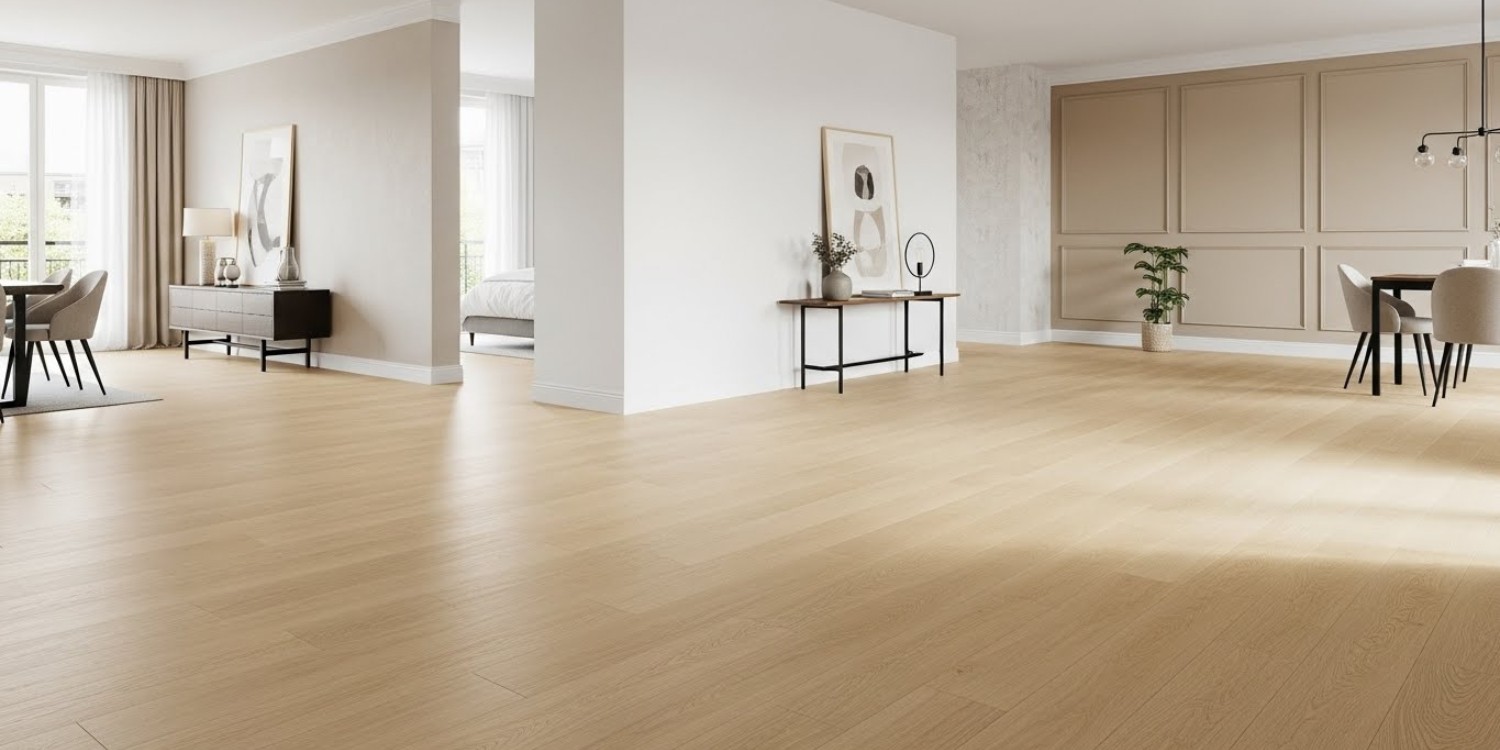
- Flooring options such as hardwood, laminate, tiles, or polished concrete provide a clean, modern base. The choice of flooring affects both aesthetics and functionality, and lighter tones can make rooms feel larger and brighter.
- Wall treatments like smooth paint, subtle wallpapers, or textured panels add personality and depth. Walls can also highlight feature areas or create contrast, enhancing the overall design without overcrowding.
- Impact on the perception of space is important. Consistent flooring and complementary wall colors make the flat feel unified and more open, while mismatched or busy designs can break visual flow and reduce the sense of spaciousness.
- Maintenance-friendly choices ensure long-term practicality. Durable and easy-to-clean floors and walls save time and keep the flat looking fresh, which is especially important for modern living.
Lighting Design
Lighting is a powerful tool that affects both the functionality and ambiance of a flat. Proper lighting enhances design and makes spaces feel welcoming.
- Natural vs artificial lighting plays a major role in flat interiors. Large windows allow daylight to fill rooms, creating an airy atmosphere, while artificial lighting supports tasks and adds ambiance after dark.
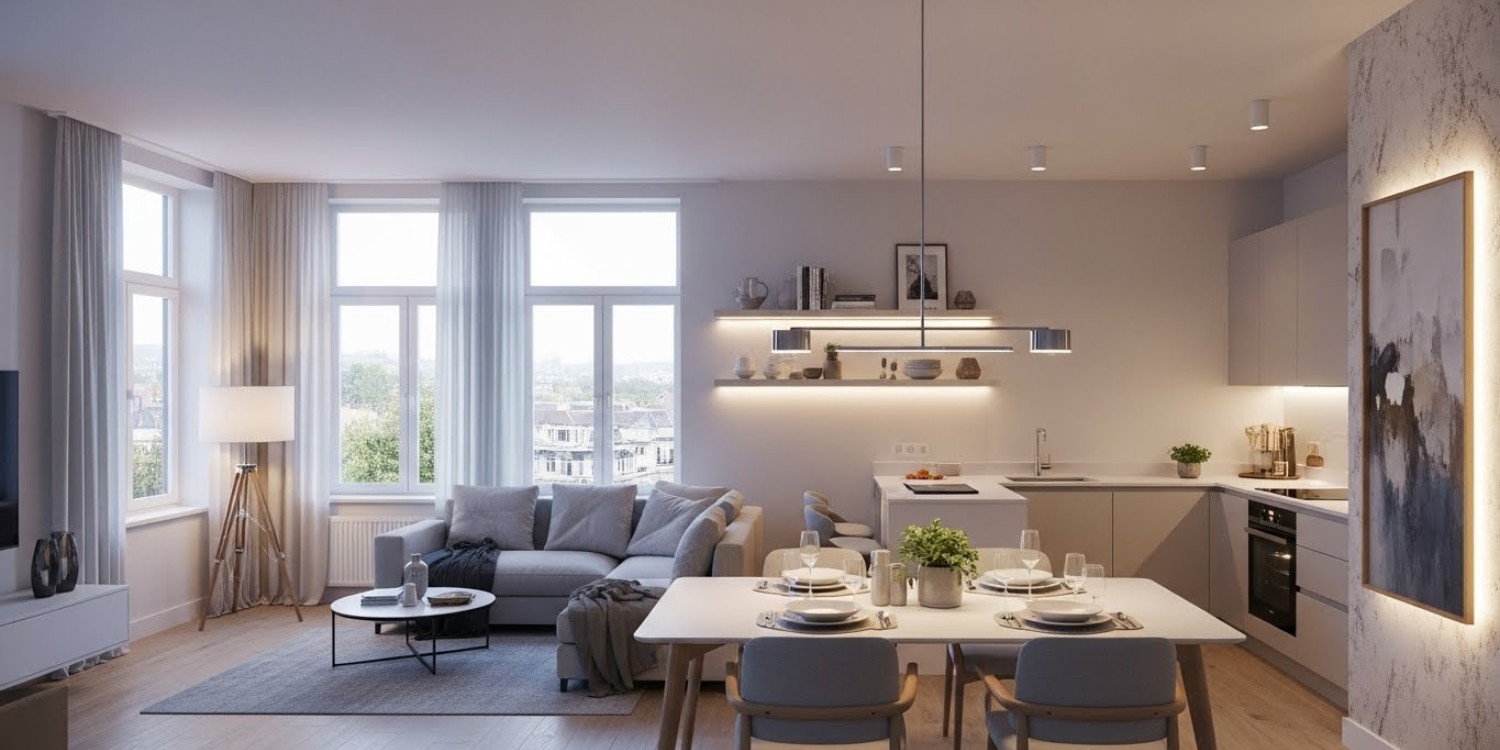
- Layered lighting includes ambient, task, and accent lighting. Ambient lighting provides overall illumination, task lighting focuses on specific activities like reading or cooking, and accent lighting highlights décor elements or architectural features.
- Statement light fixtures act as both functional elements and design features. Chandeliers, pendant lights, or sleek modern lamps can draw attention and reinforce the flat’s style.
Using lighting to create warmth and depth makes the space feel inviting. Properly placed lighting can emphasize textures, define areas, and enhance the perception of space without cluttering the flat.
Decorative Elements and Accessories
Decorative elements add personality and comfort to a flat without overpowering the clean, modern design. Choosing the right accessories is essential for maintaining balance.
- Minimalist art and wall décor add visual interest while keeping the space uncluttered and clean. Simple paintings, prints, or framed photographs can enhance walls without creating chaos.
- Plants and greenery soften clean lines and add life to the flat. Potted plants, small indoor trees, or hanging planters create a fresh and natural feel while improving air quality.
- Rugs, cushions, and throws introduce texture and warmth. These soft elements make rooms cozy and visually appealing, but it is important to use them sparingly to avoid clutter.
Choosing accessories that match the color palette and theme keeps the flat cohesive. Coordinated colors and materials in décor and furniture reinforce the modern aesthetic while allowing personality to shine through subtly.
Open vs Segmented Layouts
The layout of a flat plays a significant role in how spacious, functional, and comfortable it feels. Choosing between open and segmented layouts depends on your lifestyle, space, and design goals. Open layouts create a sense of continuity and allow light to flow freely, while segmented layouts provide privacy and defined functional areas. Understanding how to use these layouts effectively helps you maximize both style and utility in your flat.
- Advantages of open-plan flats: Open layouts make smaller flats feel larger and more airy. They encourage natural light to spread throughout the space and create a cohesive, modern look that is ideal for social living and entertaining.
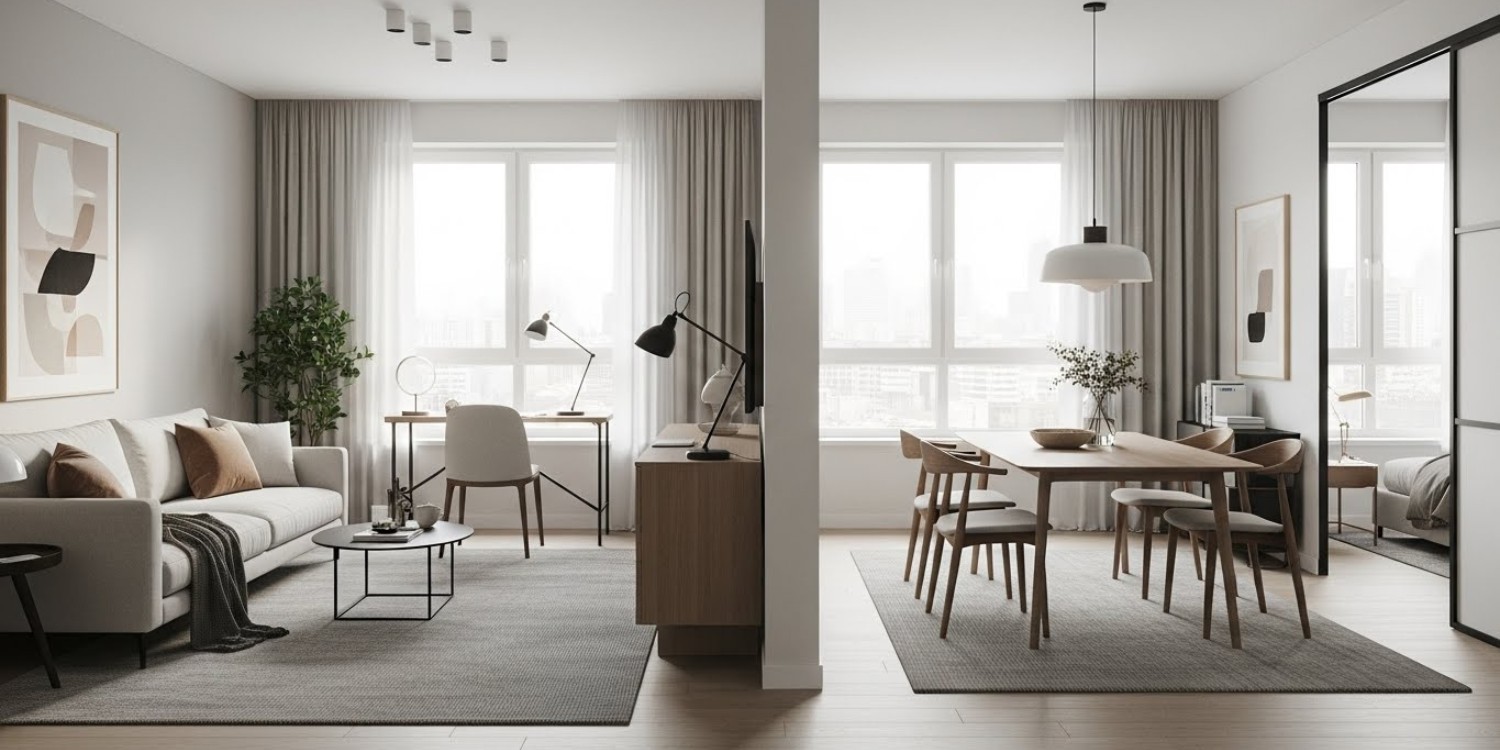
- Creating zones in open spaces without physical walls: Use furniture arrangements, rugs, or lighting to differentiate areas like living, dining, and workspaces without adding walls, keeping the flat open yet organized.
- Using furniture, rugs, or lighting to define areas: Position sofas, tables, or shelving strategically, layer rugs for visual separation, and add pendant or floor lighting to create distinct zones within one open space.
- When to consider segmented layouts for privacy and function: Bedrooms, home offices, or bathrooms benefit from physical separation. Segmented layouts are ideal when privacy, noise control, or defined work and leisure areas are priorities.
Modern Trends in Flat Interior Design
Flat interior design continues to evolve with technology, sustainability, and creative aesthetics. Staying aware of modern trends can help you create a stylish and contemporary flat while keeping it practical and comfortable.
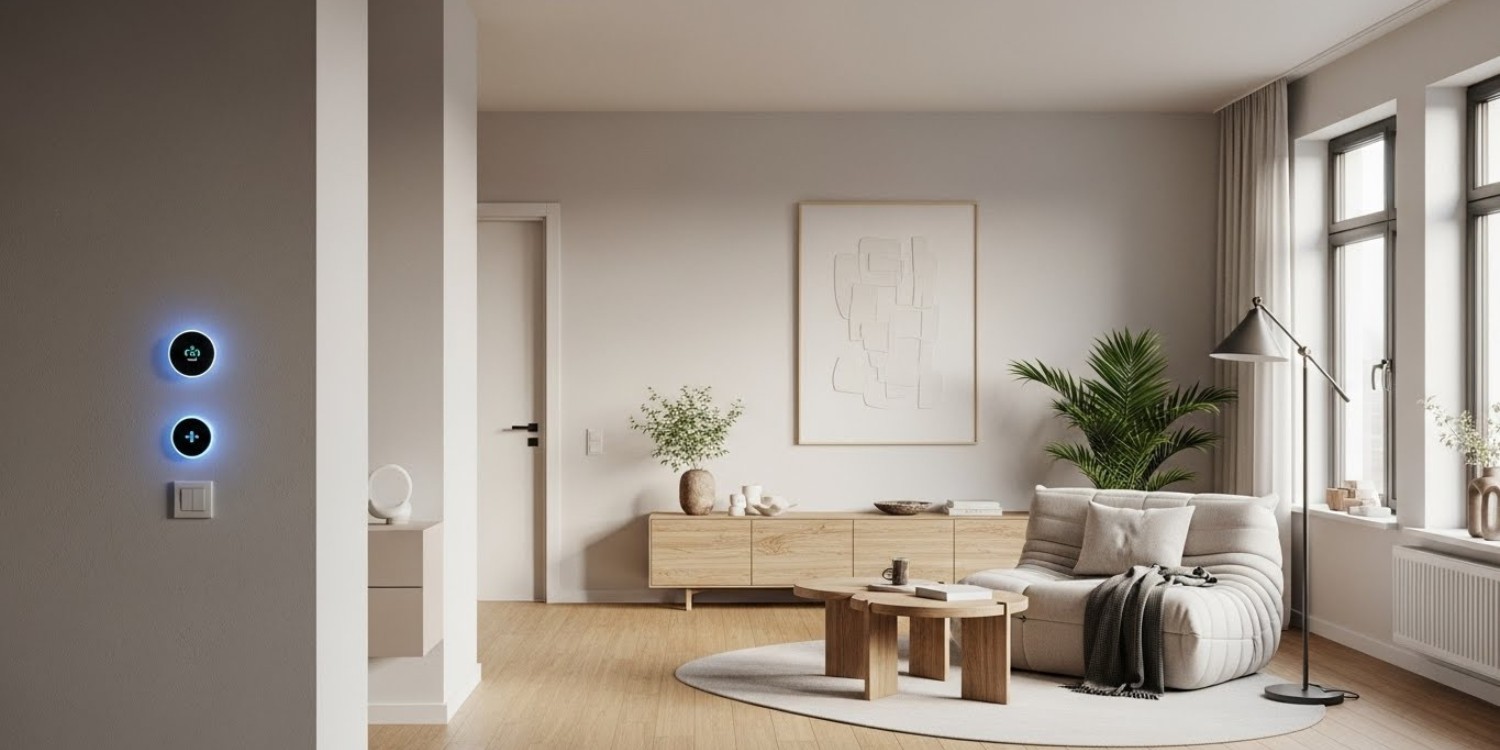
- Smart home integration and technology enhance convenience and control. Features like automated lighting, climate control, and security systems improve the living experience while complementing a modern interior design. These technologies make your flat more energy-efficient and user-friendly.
- Sustainable and eco-friendly materials are increasingly popular. Using bamboo flooring, recycled furniture, or low-VOC paints supports environmentally conscious living and adds natural textures that enhance visual appeal. Sustainable materials combine style with responsibility.
- Statement furniture and monochromatic schemes create visual impact without cluttering the flat. Bold pieces like a designer sofa, a sculptural chair, or a unique coffee table serve as focal points, while monochromatic color palettes maintain a cohesive, modern aesthetic.
- Minimalism with personality: blending simplicity and comfort ensures the flat remains functional and welcoming. Simple lines, uncluttered surfaces, and carefully chosen accessories allow the flat to feel spacious while reflecting your personal style, making the space both practical and inviting.
Wrapping Up:
Flat interior design focuses on creating spaces that feel open, modern, and functional. By using clean lines, neutral colors, and well-planned layouts, you can make every room appear larger and more inviting. Thoughtful furniture selection, smart placement, and proper lighting enhance both the look and usability of your flat, ensuring it remains organized and comfortable. Decorative elements like minimalist art, plants, and textured accessories add personality without cluttering the space.
Modern trends such as smart home technology, sustainable materials, and statement furniture help you personalize your flat while keeping it sleek and contemporary. Open layouts, natural light, and strategic accents create harmony between aesthetics and practicality. By following these principles, your flat can become a stylish, functional, and welcoming home that reflects your lifestyle while maximizing comfort and visual appeal.