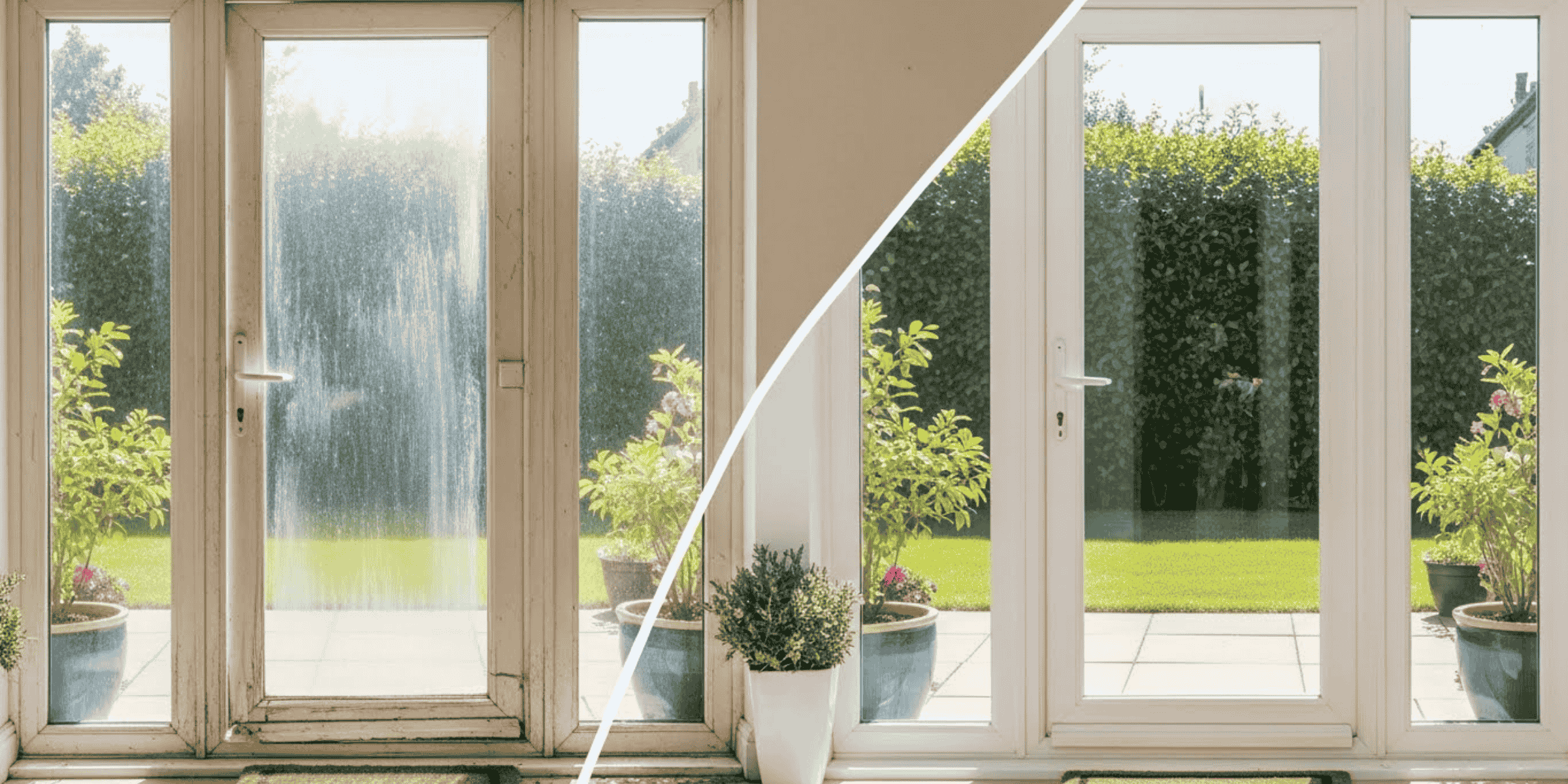
UPVC Doors: Repair or Replace?
UPVC doors remain popular because they provide homes with a strong and long-lasting entry point. Many homeowners use them on patios, front entrances, and backyards because these doors handle sunlight, rain, moisture, and daily use without much trouble. You may still face issues at some point, and that is when door repair becomes important. You start to wonder if fixing an external UPVC door is possible instead of replacing it.
You can typically resolve most issues that arise with these doors. Hinges, locks, seals, and alignment often need attention after years of use, which makes door repair a smart choice in many cases. You do not need to jump to a replacement right away. Once you understand how these doors work and what issues you can repair, you can make better decisions for your home.
Common Problems With External UPVC Doors
External UPVC doors stay strong for many years, but regular use and outdoor conditions can still cause different types of problems. You can solve most of these issues with proper repair work. Once you understand each common problem, you can identify the fault quickly and take the right action.
1- Door Not Closing or Opening Correctly
A UPVC door can start to drag, stick, or feel heavy during movement. This usually happens when the hinges drop, the door loses alignment, or the rollers wear out. Heat can also cause the frame to expand. You may feel the door rubbing against the frame or refusing to lock properly. Timely adjustment fixes this issue and brings back smooth movement.
2- Stiff or Faulty UPVC Door Locks
Locks on UPVC doors work daily, so parts inside them can weaken. A faulty gearbox often causes stiffness in the handle or prevents the lock from engaging. A damaged multi-point locking system creates trouble when you lift the handle. In some cases, the key does not turn at all. You can restore the lock by repairing or replacing the damaged part.
3- Handle Problems
Handles on UPVC doors loosen, stiffen, or stop springing back after a long period of use. Loose screws or worn springs often cause these faults. You may find it hard to pull the handle up or push it down. Fixing these issues brings control and comfort back to the door in just a short repair session.
4- Broken Hinges
Hinges carry the weight of the entire door. Rust, outdoor exposure, and constant movement can weaken them. You may hear squeaking sounds or see the door sag on one side. Replacing damaged hinges quickly keeps the door stable and prevents further harm.
5- Draughts Around the Door
Cold air leaking inside your home shows that the seals around your UPVC door no longer sit in place. Worn seals or a slightly loose panel allow air to pass through. Replacing the seals or adjusting the panel helps the door create a tight barrier against.
6- Glass Panel Issues
Glass panels in UPVC doors can show condensation when the seal around the double-glazed unit fails. Cracks can also appear due to impact or temperature changes. You can replace the glass unit without replacing the whole door, which makes the repair simple and cost-effective.
7- Discolouration or Surface Damage
Sun exposure can fade the UPVC surface over time. You may also notice scratches that affect the look of the door. Cleaning, polishing, or respraying helps restore the original appearance and gives the door a fresh look again.
8- Warped or Swollen Doors
Heat can cause UPVC doors to expand, which leads to swelling or slight warping. Poor installation also adds pressure to the frame. You may see gaps, rubbing, or trouble with the locking points. An expert can adjust the hinges and frame to bring the door back into shape.
9- Broken or Cracked Panels
Panels can crack due to strong impact or general ageing. These cracks weaken the door and affect security. You can replace only the damaged panel instead of installing a new door, which saves time and cost.
10- Threshold or Bottom Rail Damage
The bottom part of the door faces constant use, weather exposure, and heavy foot traffic. Over time, the threshold or bottom rail can show signs of wear or damage. Repairing or replacing this part helps the door sit properly and prevents water or dirt from entering the home.
When Repair Is the Best Option
Repair works best when the issue stays small, the frame remains strong, and the door still performs well after adjustments. You save money, avoid waste, and keep the door functional for years by fixing problems early. When the structure, alignment, and locking system respond well to repair, you get solid performance without going through the cost and disruption of a full replacement.
- Repair costs less because only the faulty part is fixed. Replacement includes full door removal, installation, and extra labour.
- Repair reduces waste and environmental impact by reusing existing door components instead of replacing the entire unit.
- Fixing hinges, locks, seals, or alignment helps extend the door’s lifespan and prevents bigger issues later.
- Loose hinges, worn seals, draft gaps, and lock alignment problems are easy to repair without affecting the door structure.
- When the frame and lock system remain strong, repairs restore safety and reliability at a lower cost.
When Replacement Is the Better Option
Sometimes repairing an external UPVC door no longer makes sense. You reach a stage where the door loses strength, security, and visual appeal, and repairs only delay the problem. When the core structure weakens or the locking system can no longer support modern security needs, a full replacement becomes the smarter choice. A new door gives you stronger protection, better insulation, and a cleaner look that matches today’s standards.
- Bent frames, deep cracks, or loss of shape cannot be fixed properly. Replacement restores strength and stability.
- Old locking mechanisms may not provide proper security. New doors offer stronger and smoother locking systems.
- If air leaks continue after repairs, the door may no longer insulate well. Replacement improves insulation and comfort.
- Deep scratches, discolouration, warping, or sun damage often cannot be restored. A new door improves the appearance.
- Repeated problems after repairs indicate worn-out parts. Replacement reduces ongoing costs and frustration
Wrapping Up:
External UPVC doors can handle years of outdoor use, and most problems like alignment, locks, hinges, and seals repaired easily. You only need a replacement when the structure weakens or the door loses security and performance. By knowing which faults you can fix and which require expert help, you keep your door strong, secure, and long-lasting.